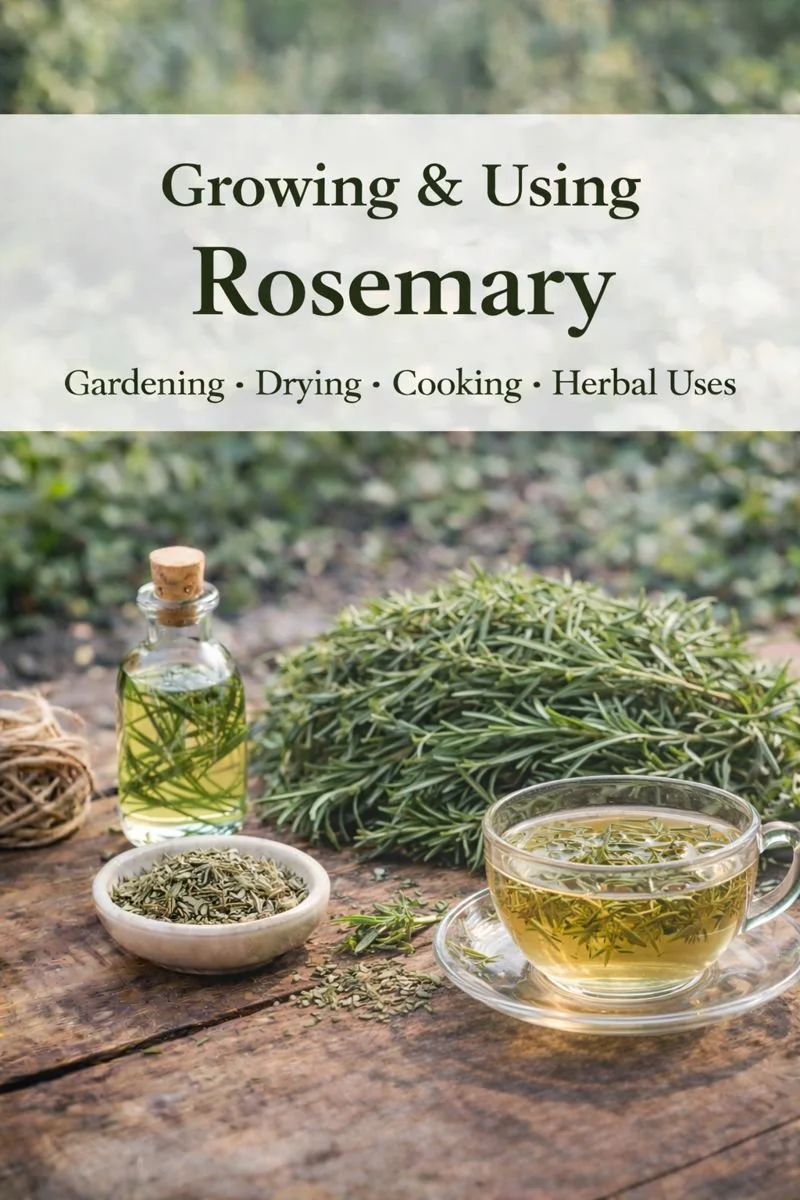
Rosemary: How to Grow, Use, and Benefit from This Hardy Garden Herb
Rosemary (Salvia rosmarinus) is one of the most beloved herbs in home gardens—and for good reason. This evergreen perennial is drought-tolerant, pest-resistant, pollinator-friendly, and packed with flavor and health benefits. Whether you grow it in a raised bed, container, or herb spiral, rosemary rewards gardeners year after year.
Why Grow Rosemary?
Rosemary is a low-maintenance, high-impact herb that thrives with minimal care. Once established, it becomes a reliable staple in the garden.
Top reasons gardeners love rosemary:
🌱 Perennial in warm climates (annual in cold zones)
🐝 Attracts bees and beneficial insects
🐛 Naturally repels pests like cabbage moths and carrot flies
💧 Drought-tolerant once established
🍽️ Culinary powerhouse for savory dishes
How to Grow Rosemary Successfully
🌞 Sun & Location
Requires 6–8 hours of full sun daily
Prefers good air circulation
Ideal for raised beds, containers, or borders
🌱 Soil Requirements
Well-draining soil is essential
Sandy or loamy soil works best
Avoid heavy, waterlogged soil
💧 Watering
Water deeply but infrequently
Allow soil to dry out between waterings
Overwatering is the #1 cause of rosemary failure
🌡️ Climate & Hardiness
Hardy in USDA zones 8–10
In colder zones, grow in containers and overwinter indoors
Growing Rosemary from Seed vs. Plant
Seeds: Slow to germinate and less reliable
Starts or cuttings: Faster, stronger, and recommended for beginners
💡 Tip: If growing from seed, start indoors early and be patient—germination can take 2–4 weeks.
Companion Planting with Rosemary
Rosemary is a great garden companion and natural pest deterrent.
Best companion plants:
Cabbage, broccoli, kale
Beans
Carrots
Sage and thyme
Avoid planting near:
Basil (different watering needs)
Mint (too aggressive)
Harvesting & Pruning Rosemary
Harvest once the plant is at least 6–8 inches tall
Snip soft, green stems for best flavor
Never remove more than ⅓ of the plant at one time
✂️ Regular pruning encourages bushy growth and prevents woodiness.
Culinary Uses of Rosemary 🍽️
Rosemary’s bold, pine-like flavor pairs beautifully with:
Roasted vegetables
Chicken, lamb, and pork
Potatoes and root veggies
Artisan breads and focaccia
Infused oils and vinegars
💡 Fresh rosemary is stronger than dried—use sparingly!
Health Benefits of Rosemary
Rosemary has been used medicinally for centuries.
Potential benefits include:
🧠 Improved memory and focus
❤️ Anti-inflammatory properties
🦠 Antioxidant-rich
🌿 Supports digestion
Rosemary tea and infused oils are popular natural remedies.
Common Rosemary Problems (and How to Fix Them)
Yellowing leaves: Too much water
Weak growth: Not enough sunlight
Root rot: Poor drainage
✔️ Solution: More sun, less water, better soil drainage. Try adding some coarse sand base to your soil and mix in well.
Is Rosemary Right for Your Garden?
If you’re looking for a beautiful, useful, and resilient herb, rosemary is an excellent choice. It fits perfectly into edible gardens, raised beds, and container setups—and once established, it becomes one of the easiest herbs to maintain.
🌿 Final Tip
Grow rosemary where you’ll brush past it often—the scent alone makes it worth planting.
Looking for high-quality rosemary seeds, tools, or companion plants? Explore my garden favorites to get started.